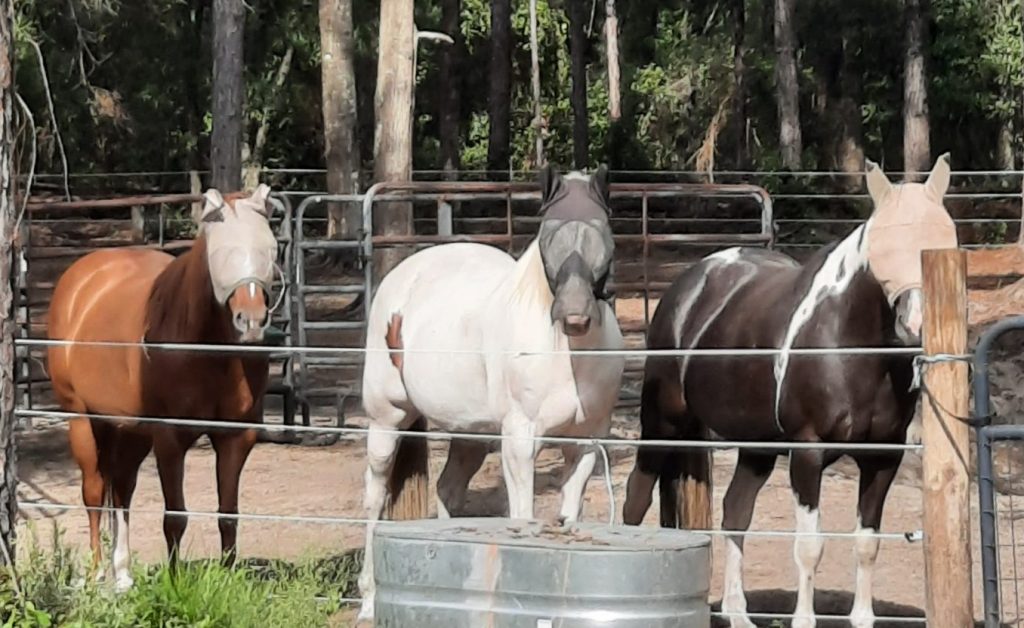
Living in Florida presents challenges with the heat, humidity and rainy afternoons during the summertime. We do our best to keep our horses healthy inside and out. This was our first full summer with horses, so we had a learning curve to figure out what worked best for us. They don’t have a barn to keep cover in during the rainy times of the day (and may not be very content to spend hours a day there anyway). With just large oaks as cover, we needed to find a way to keep rain rot away as well as provide relief from flies and other biting insects.
We experimented with several products to treat rain rot early this summer. The painful sores came on after nearly 3 full days of nonstop rain. Once the rain ended they all showed the tell tale signs: tenderness when touched (even my gelding who has a pain tolerance unlike anyone or any critter I’ve known gave me dirty looks when I lightly stroked the boo-boo area), raised hair and then a few days later a sandpapery feel under the coat. We tried coconut oil to help loosen and soften the scabs since we always have some on hand. I also mixed in tea tree oil and lavender (my go-to’s for sores and wounds). I think it helped with the healing process, but I don’t know that it really did anything for the infection.
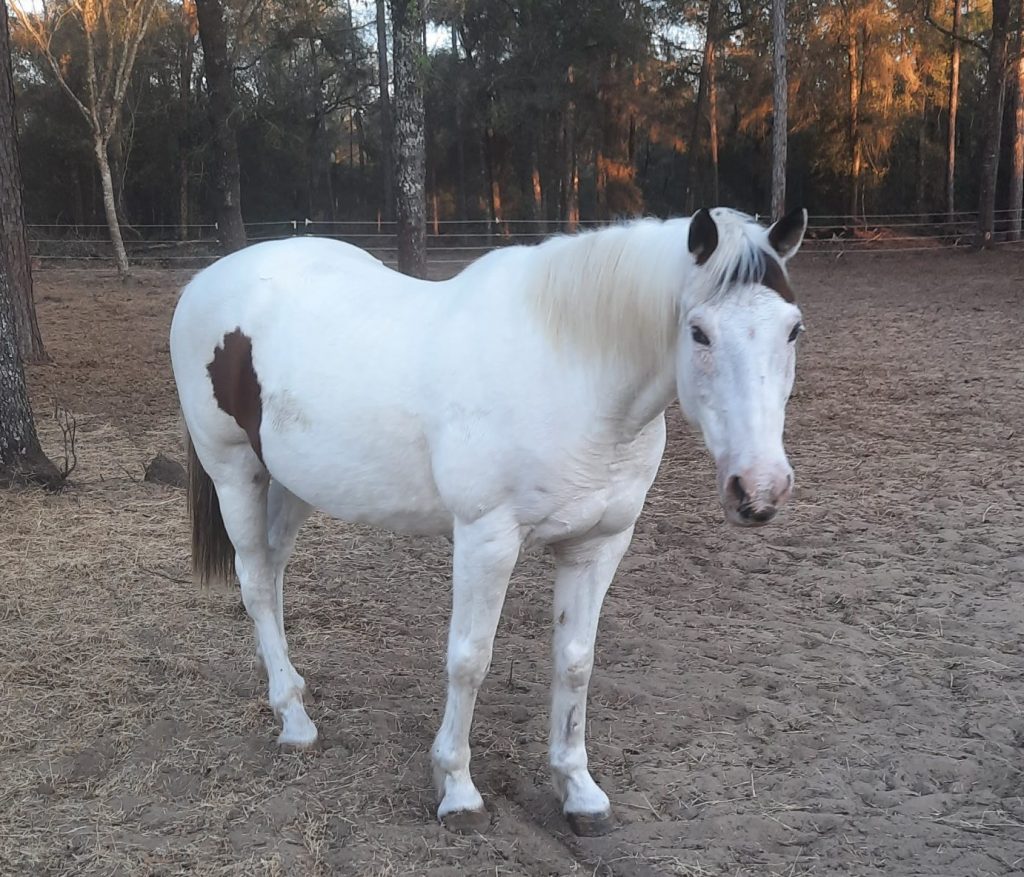
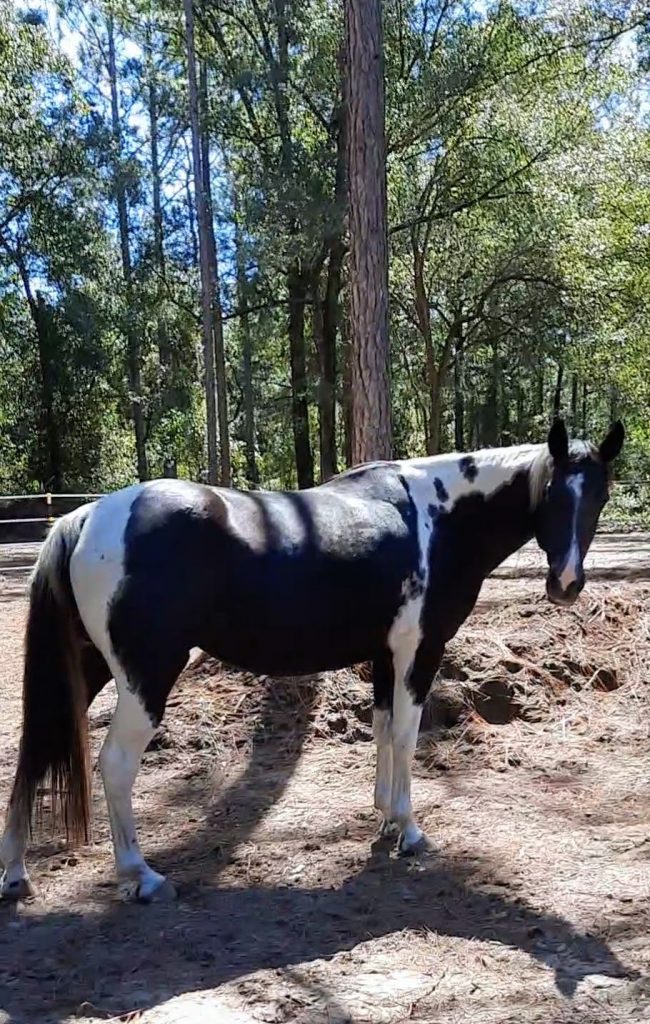
We groomed them morning and evening to try to keep them as clean as possible. During this time we were using a variety of fly sprays, both commercial and more natural options. They did ok, but the sprays still left the horses with bites in various places. (Which we have learned that contributes to rain rot since the bacteria can get under the skin through bites and other breaks in the skin.) We were learning a lot as the rains continued and we had one breakout after another.
We knew we had to stop the cycle, but we didn’t know how. We found that chlorhexidine worked very well in treating and preventing the infection if sprayed while the horses were still wet or shortly after they dried, but it is very drying, so we mixed it with mineral oil. That really helped! A plus is that chlorhex didn’t burn when applied to the tender, infected skin. The only issue is that it isn’t readily available. I wanted to find something that is easily and locally sourced.
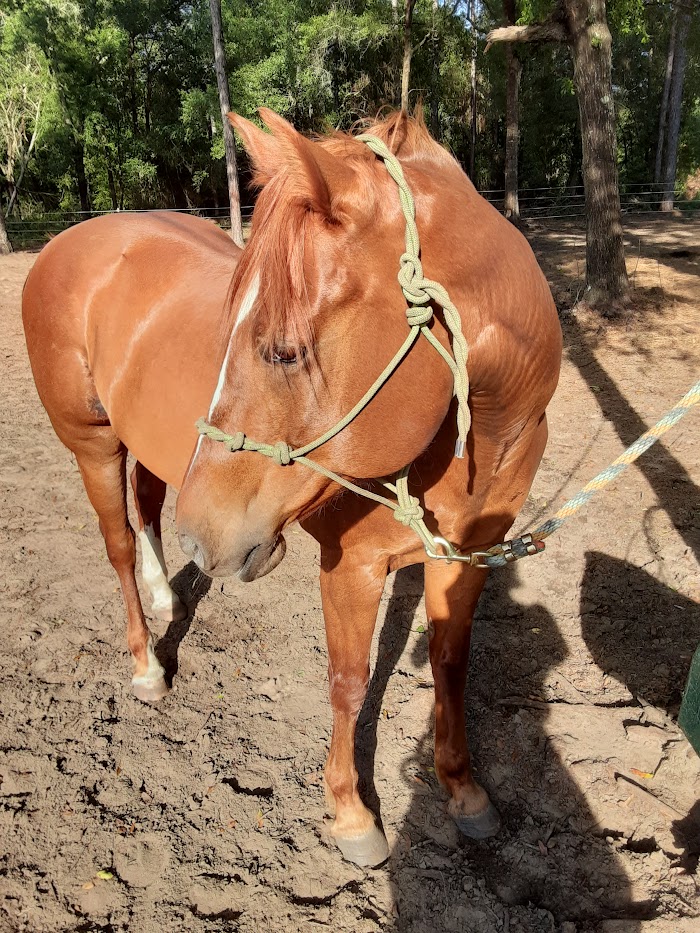
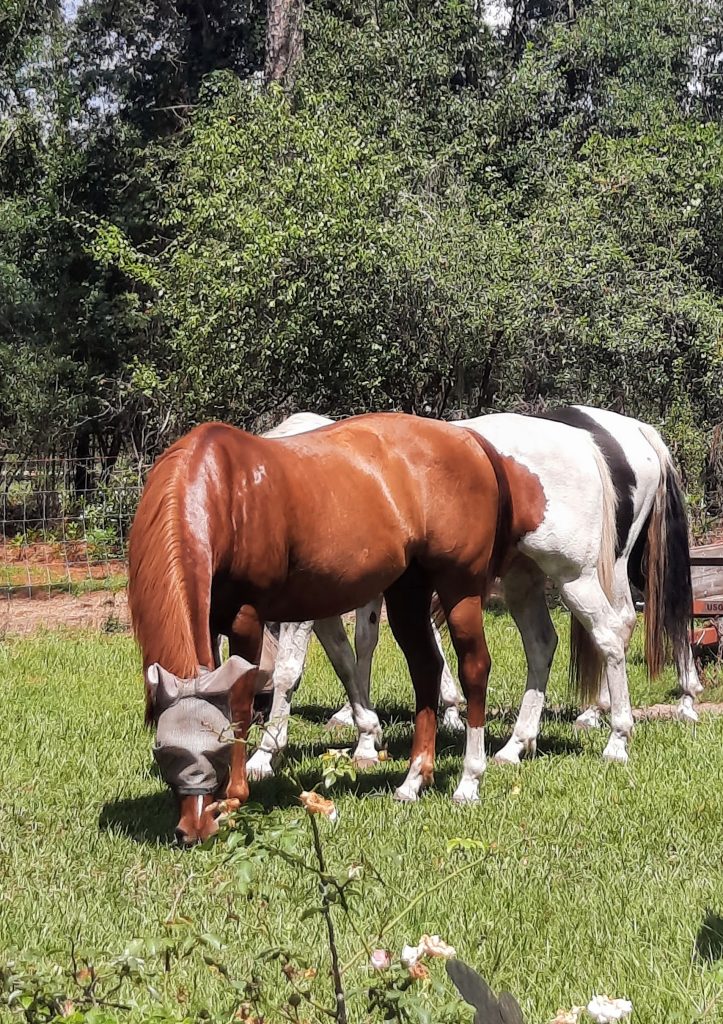
I started seeing posts about using Listerine (the amber kind). I tried that when we ran out of the chlorhex and was impressed! I was not impressed with the stinging effect, even with the mineral oil (Sassy tensed every muscle she had the first time I used it on an active infection… I had tears by the time I was done spraying her down)… however, as long as I catch it early and prevent the rain rot from setting in, we’re good!
As we got closer to the end of our fly spray stockpile, I began to look for recipes for homemade fly sprays. I kept seeing Listerine as an option, as well as Apple Cider Vinegar. Bonus! Treat for rain rot prevention by keeping their skin free of the microscopic boogers and repel flies all at the same time! Enter essential oils…
To increase the effectiveness of the Listerine and ACV, I decided to use the same oils that I’ve used in my flea repellent. I use a combination of cedarwood, rosemary, eucalyptus and peppermint. I also add in citronella, oregano, basil, lavender or tea tree, always mixing and matching as they all have insect repellent properties. I try to have at least 3-4 of them in each batch. I have recently read about using neem as well, so I will likely try that one next time. I do use that in my dog’s flea spray and it works wonders! I still mix in mineral oil as the alcohol in the Listerine is also very drying on the skin.
To get the spray onto the skin and really work it in, we brush first to loosen and remove the dirt, then spray and then brush the spray in. I found that this gets the spray in the hairs as well and it doesn’t just sit on top of their coat.
Now for the goodies! I prefer to use a 12 ounce spray bottle as it is easy to hold and fits well in our grooming tote.
4 oz Listerine
4 oz ACV
2 oz Mineral Oil
1 tsp Dish soap
1 tsp Neem Oil (trying this next time!)
24 drops any mixture of the following:
– Cedarwood Essential Oil
– Eucalyptus Essential Oil
– Peppermint Essential Oil
– Rosemary Essential Oil
– Citronella Essential Oil
– Oregano Essential Oil
– Basil Essential Oil
– Tea Tree Essential Oil
– Lavender Essential Oil
That’s it! We use this spray morning and evening. Combined with fly masks, we have found the solution to keeping our horses fly-free (for the most part) and keep their skin healthy.